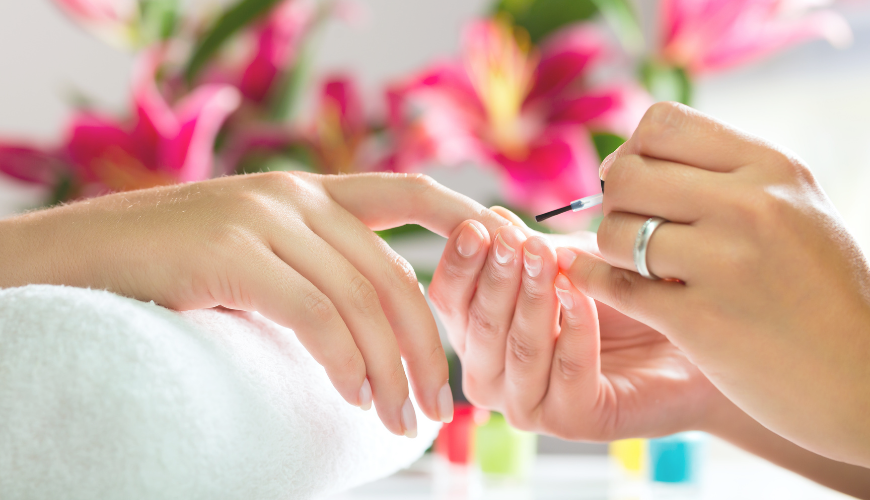
Of all the parts of our body we care for, our nails often don’t get the attention they deserve until a problem arises. If your nails bend easily, peel at the tips, or just never seem to grow long without breaking, you’re likely dealing with a common condition known as soft nails. While it can be frustrating, understanding the condition is the first step toward stronger, healthier nails.
Symptoms and Diagnosis of Soft Nails
Soft nails are pretty straightforward to identify. The primary symptom is nails that lack rigidity. They might feel flexible or bendy when you press on them, and they are prone to:
- Peeling: The top layers of the nail separate and flake off, often in horizontal strips.
- Splitting: The nail tip splits vertically or horizontally.
- Tearing: Because they are weak, they tear easily instead of breaking cleanly.
- Difficulty Holding Polish: Nail polish may chip almost immediately because the nail surface isn’t firm enough to hold it.
Diagnosing soft nails is usually something you can do yourself. A doctor’s visit isn’t typically necessary unless the problem is severe, sudden, or accompanied by other symptoms like pain, discoloration (a yellow or green tint), or changes in the nail bed. In those cases, it’s best to see a dermatologist to rule out fungal infections, psoriasis, or other health conditions. For most people, however, the diagnosis is simple: if your nails are consistently flexible, weak, and breakable, you have soft nails.
What Causes Weak and Brittle Nails?
Our nails are made of layers of a protein called keratin. When these layers are compromised, nails become soft. The causes can be internal, external, or a combination of both.
External Causes (The Most Common Culprits):
1. Overexposure to Water: Think about how soft your skin gets after a long bath. The same thing happens to your nails. Frequent washing of dishes, swimming, or long baths can saturate the nail plate, causing it to swell and then shrink as it dries, leading to weakness.
2. Harsh Chemicals: Everyday household cleaners, detergents, and even some nail polish removers containing acetone can strip the nails of their natural protective oils.
3. Over-filing and Improper Grooming: Filing the sides of the nails too much or using a rough file can create micro-tears in the keratin layers. Pushing back cuticles too aggressively can also damage the nail matrix, where new nail cells are born.
4. Trauma: Using your nails as tools to open cans, scrape off stickers, or type aggressively can all lead to stress and damage.
Internal Causes:
1. Aging: Just like skin and hair, nail health can change with age. They often become more brittle and dry.
2. Nutritional Deficiencies: A lack of key nutrients can manifest in your nails. Biotin (a B-vitamin), iron, protein, and zinc are all crucial for strong keratin production.
3. Overall Health: Sometimes, soft nails can be a sign of an underlying issue, such as anemia (low iron) or a thyroid disorder.
Therapies to Strengthen Soft Nails
The good news is that you can absolutely improve the strength of your nails.
1. Biotin Supplements: Numerous studies have shown that taking a biotin supplement (2.5-5 mg daily) can significantly increase nail thickness and reduce splitting. Always check with your doctor before starting any new supplement.
2. Nail Hardening Treatments: Look for products containing dimethicone or keratin. These ingredients form a protective coating over the nail, helping to seal in moisture and add strength. Be cautious with traditional “hardeners” containing formaldehyde, as they can be too harsh for some people, causing brittleness or irritation.
3. Protein-Rich Diet: Since nails are made of protein, ensure you’re getting enough. Lean meats, fish, eggs, beans, and nuts are all excellent sources.
4. Stay Hydrated: Drinking plenty of water helps keep your entire body, including your nails, hydrated from the inside out.
A Daily Care Routine for Soft Nails
Consistency is key. A simple, gentle daily routine can work wonders.
Step 1: Gentle Cleaning and Moisturizing
After washing your hands or showering, gently pat your nails dry. While your skin is still slightly damp, apply a thick hand cream, rubbing it into your nails and cuticles. For an extra boost, use a dedicated nail and cuticle oil every night before bed.
Step 2: Protective Measures
- Gloves are a Must: Always wear waterproof gloves when washing dishes or cleaning with chemicals. For wet work like gardening, wear cotton gloves underneath rubber ones for extra protection.
- Limit Water Exposure: Try to keep your soaks in the bath or pool to a reasonable time.
Step 3: Smart Grooming
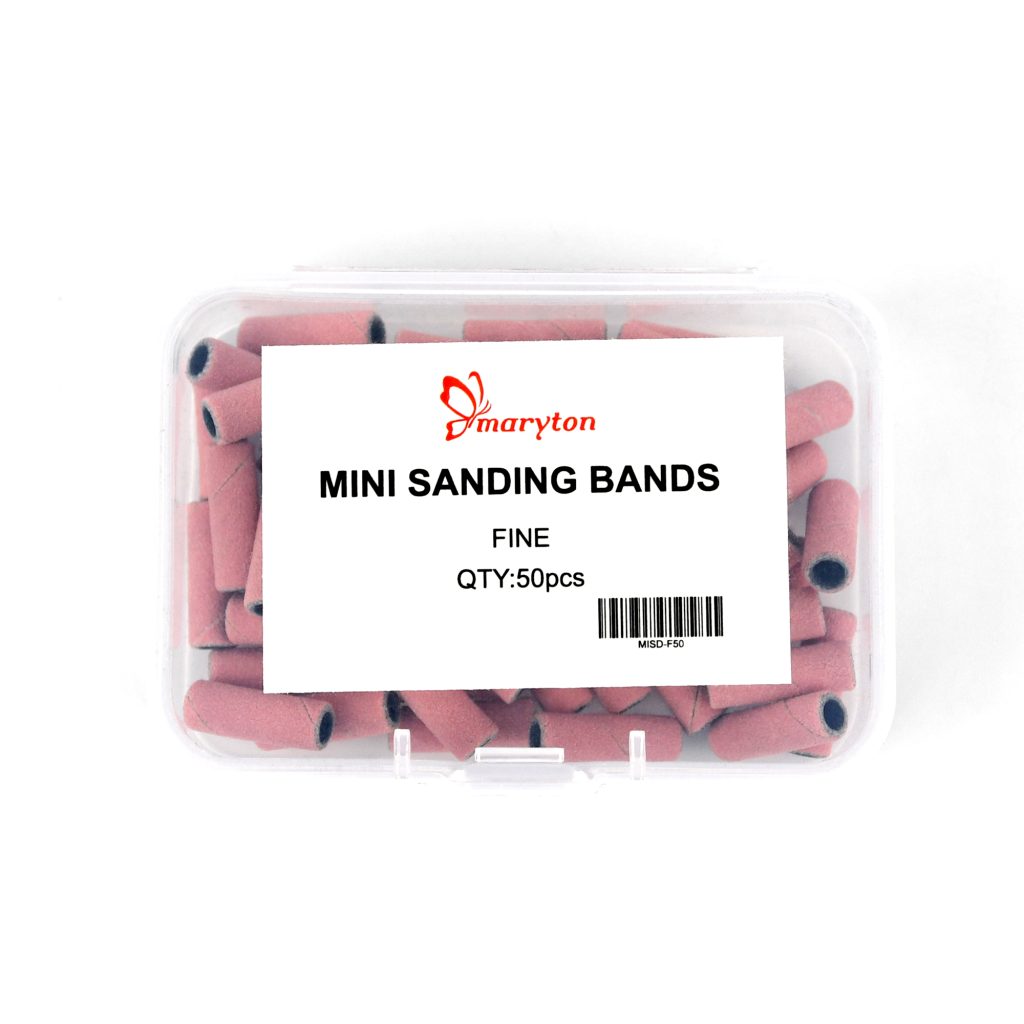
- File, Don’t Clip: File soft nails instead of clipping them, as clippers can cause small splits. Use a fine-grit sanding band (180 grit or higher).
- Shape Matters: Keep nails short and filed to a rounded or squoval (square with rounded corners) shape. This reduces the chances of them catching on something and tearing.
- File in One Direction: Sawing back and forth with a file can weaken the nail edge. File in one direction only.
Step 4: Polish as Protection
A good base coat and two thin layers of polish can act like a protective shield for your nails. When removing polish, opt for an acetone-free remover and don’t scrub—let the cotton pad sit on the nail for a few seconds to dissolve the polish before wiping it off gently.
In Conclusion
Soft nails are a common and manageable issue. By understanding the causes—primarily too much water and harsh chemicals—and adopting a consistent care routine focused on protection and moisture, you can transform your nails from weak and bendy to strong and resilient. Be patient; it takes about three to six months for a completely new set of nails to grow, so stick with your new habits. Your future, stronger nails will thank you for it.
Read also: A Quick Guide to Sanding Bands: Types, Use, and Hygiene